Lip & Tongue Tie Care in London | Holistic Care
At Optimal Dental Health in Marylebone, we meet many families who feel unsure, overwhelmed or simply curious about whether a tongue tie or lip tie may be affecting their child’s feeding, sleep or development.
What begins as a small concern, difficulty breastfeeding, unsettled feeds, noisy breathing, or speech challenges, can sometimes be linked to a restrictive frenulum. Although these tissues are small, they can influence feeding, breathing, posture, sleep and long-term oral development.
Our approach goes far beyond a simple release. We believe in supporting the whole person, whether that’s a baby learning to feed comfortably, a child developing healthy breathing habits, or an adult seeking relief from long-standing tension.
This article gently walks you through what ties are, how they affect different ages, and how our holistic, multidisciplinary pathway creates lasting improvements in health and comfort.
What Are Tongue Ties & Lip Ties? Understanding the Signs and Symptoms
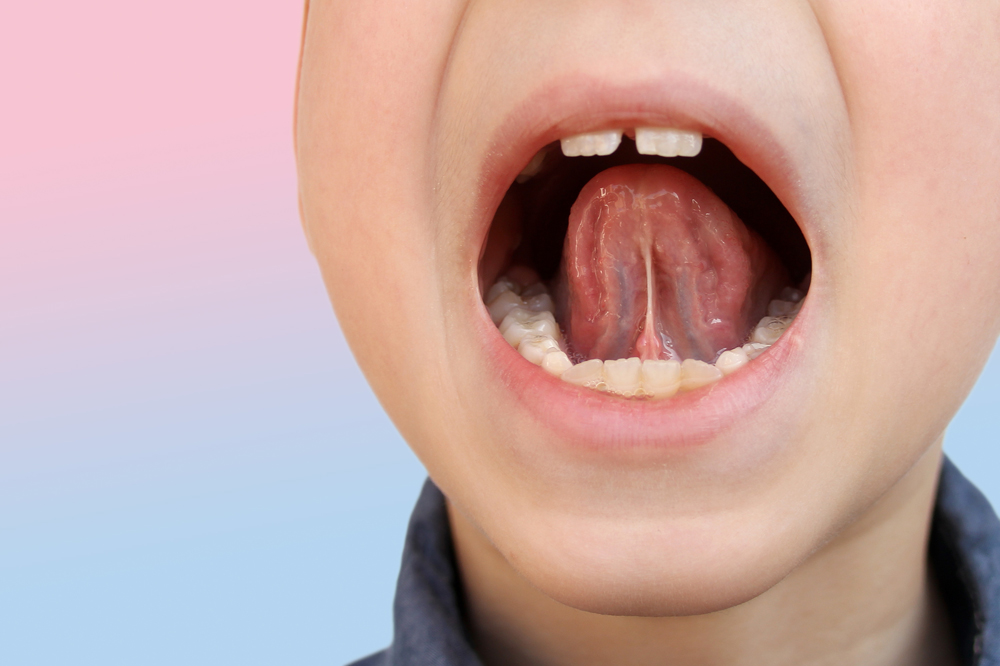
A tongue tie or lip tie occurs when the small band of tissue (the frenulum) beneath the tongue or upper lip is tight, short or thick. While some ties cause little difficulty, others significantly restrict movement and influence oral and overall development.
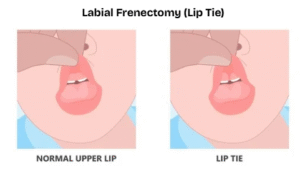
In babies, some of the most common signs include:
- Difficulty breastfeeding or bottle feeding
- Clicking sounds, slipping off the breast or shallow latch
- Excess air intake leading to gas, reflux or colic
- Prolonged feeds with little restfulness afterwards
As children grow, ties present differently. A tongue that cannot rest comfortably against the palate may contribute to mouth breathing, limited speech clarity, or disrupted sleep. Some children develop narrow palates or crowded teeth because the tongue hasn’t been supporting natural jaw development.
Adults, meanwhile, often adapt for years without realising the root cause. Many experience jaw tension, headaches, neck strain, poor sleep quality, difficulty chewing or a sensation that speech or breathing never feels effortless.
Ties affect far more than the mouth, they influence the entire body’s ability to function comfortably.
Why Tongue Tie Treatment Requires a Holistic Dental Approach
Tongue tie treatment is most effective when it supports not just the restricted tissue, but the muscles, posture and breathing patterns that surround it. A release alone cannot correct years of compensations or help a baby instantly learn a new latch. That’s why our care pathway is intentionally comprehensive.
We use a gentle CO₂ laser for precise, low-discomfort release, but this is only one part of your journey. We also integrate:
Myofunctional therapy, which retrains:
- Tongue posture
- Breathing patterns
- Swallowing function
- Jaw stability
Osteopathy and cranial work, which supports:
- Relaxation of head and neck tension
- Unwinding of compensations
- Improved feeding mechanics in babies
- A calmer, more integrated body pattern
This holistic foundation helps the tongue relearn healthy movement after release, creating long-term comfort and function.
Your Tongue or Lip Tie Journey at Optimal Dental Health
Every patient starts with a warm, thorough assessment. Our dentist Dr Aoife Stack will take time to listen to your concerns, explore your or your child’s health history, and evaluate oral mobility, breathing patterns, posture and function. For babies, this may include observing a feed or discussing your feeding experience. For older children and adults, we look at speech patterns, jaw tension, sleep quality or chewing difficulties.
The Release Procedure
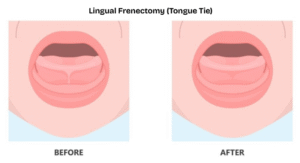
If a release is recommended, we’ll walk you through the process with clarity and reassurance. Our CO₂ laser treatment is quick, precise and gentle. Our dentist Dr Aoife Stack treats children from age 5 and above, however some children can be treated at age 4 if they are ready for the procedure. Adults and older children may feel mild warmth or pressure, but the procedure is very well tolerated.
Healing is quick and typically involves minimal discomfort.
Post-Treatment Care: Supporting Long-Term Success
Healing doesn’t end when the procedure is complete. This is where holistic support makes a profound difference.
For children and adults:
- Myofunctional therapy exercises (simple, age-appropriate and personalised)
- Guidance for better nasal breathing and airway support
- Techniques to reduce jaw tension
- Osteopathic care to restore comfort and balance
Families usually notice improvements gradually, sometimes immediately in feeding comfort, sometimes over weeks as the body adjusts and new skills develop.
Tongue Tie Treatment: What Parents & Adults Want to Know
Parents often ask whether a release will hurt. The procedure is very quick and gentle; babies may cry from being held still, and older children or adults might feel mild soreness for a few days. CO₂ laser treatment is safe for babies, with minimal bleeding and fast healing.
Improvements can appear quickly. Many parents report better latch, less clicking and a calmer feed within hours or days. For older children and adults, progress may be gradual and supported by therapy and bodywork.
We work closely with osteopaths, myofunctional therapists and orthodontists to ensure that you receive the integrated support needed for long-term success. You may require an initial consultation, a treatment visit and a series of follow-up therapy sessions to help stabilise new patterns.
Why Choose Optimal Dental Health for Tongue Tie Care in London

Families choose us because of our deeply supportive, patient-centred approach. We focus on comfort, clear communication and truly holistic care. Our team has experience supporting babies, children and adults with gentle CO₂ laser release and evidence-based therapeutic pathways.
Our collaborative approach ensures that you receive care tailored to your unique needs, whether that means rebuilding feeding patterns, improving sleep quality or restoring ease of movement and breathing.
Frequently Asked Questions
What are the long-term effects of untreated tongue or lip ties?
Untreated tongue or lip ties can lead to various long-term issues, including speech difficulties, dental problems, and chronic pain. In children, these ties may result in narrow palates, crowded teeth, and ongoing challenges with feeding and sleep. Adults may experience persistent jaw tension, headaches, and difficulty with chewing or swallowing. Addressing these ties early can prevent these complications and promote healthier oral and overall development.
How can I tell if my child has a tongue or lip tie?
Signs of a tongue or lip tie in children can include difficulty breastfeeding, a shallow latch, or clicking sounds during feeding. As they grow, you may notice mouth breathing, limited speech clarity, or disrupted sleep patterns. Observing your child’s feeding habits and consulting with a healthcare professional can help determine if a tie is present and affecting their development.
Is the CO₂ laser treatment safe for infants?
Yes, CO₂ laser treatment is considered safe for infants. The procedure is quick, precise, and typically involves minimal discomfort. The laser minimizes bleeding and promotes faster healing compared to traditional methods. Parents often report that their babies experience only mild discomfort, and the benefits of improved feeding and comfort usually outweigh any temporary distress during the procedure.
What should I expect during the post-treatment recovery period?
Post-treatment recovery is generally quick and involves minimal discomfort. You may experience some soreness, but this typically resolves within a few days. It’s essential to follow the recommended aftercare, which may include myofunctional therapy exercises and guidance on breathing techniques. Many families notice improvements in feeding comfort and overall function as the body adjusts and new skills develop over time.
How does myofunctional therapy support tongue tie treatment?
Myofunctional therapy plays a crucial role in supporting tongue tie treatment by retraining the muscles involved in tongue posture, breathing, and swallowing. This therapy helps you develop healthier oral habits and improves overall function after a release. By addressing compensatory patterns and promoting proper muscle function, myofunctional therapy enhances the long-term success of the treatment and contributes to better overall wellness.
Can adults benefit from tongue tie treatment?
Absolutely! Adults can experience significant benefits from tongue tie treatment in London, including relief from chronic pain, improved speech clarity, and better overall oral function. Many adults may not realise that their discomfort is linked to a tongue tie. Treatment can help alleviate long-standing issues, improve quality of life, and enhance overall well-being by addressing the root cause of their symptoms.
How much does treatment cost?
Initial consultations are £195. This appointment lasts 60 minutes and includes a full functional assessment.
Book a Tongue or Lip Tie Consultation in Marylebone, London
If you feel that you or your child may be affected by a tongue or lip tie, we’re here to help. Our holistic dental team in London, offers compassionate care with a focus on long-term comfort and whole-body wellbeing.
📍 Optimal Dental Health1 Melcombe Street, London NW1 6AE
📞 0203 921 1000